
Mezcal vs tequila is a comparison that often sparks curiosity, especially among spirit lovers. You may have heard the saying, “all tequila is mezcal, but not all mezcal is tequila,” and while it sounds confusing, it actually explains their relationship perfectly. Both of these drinks come from agave, yet they differ in origin, production, and flavor.
In this article, we’ll break these two agave drinks down in a simple, easy-to-understand way. Let’s explore why Tequila vs. Mezcal is not the same thing, and what truly sets these two iconic spirits apart.
What is Mezcal and Tequila?
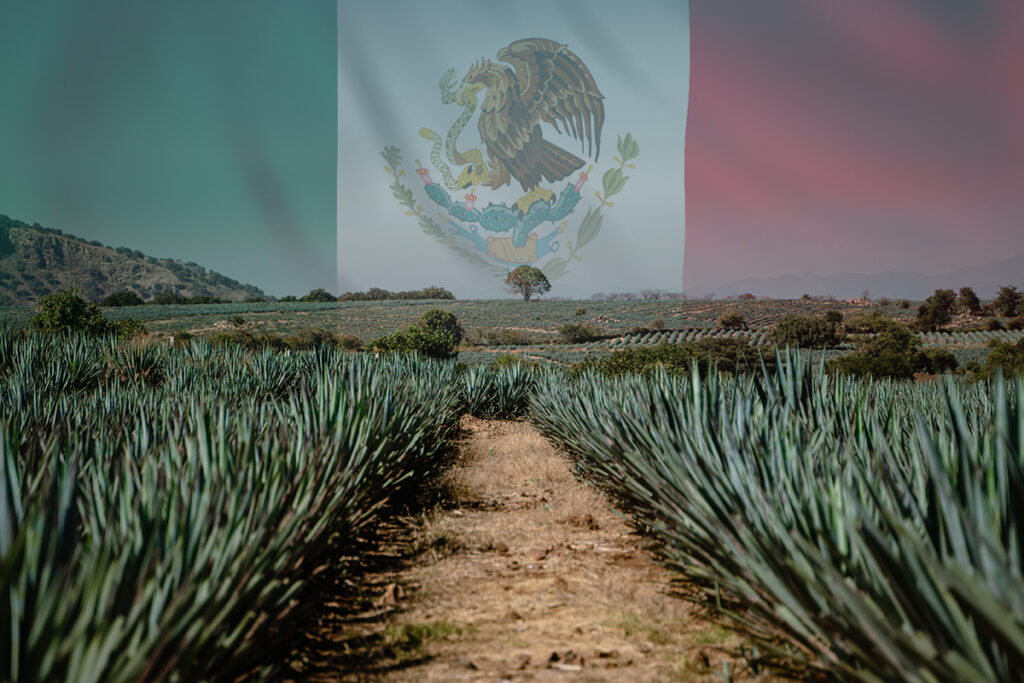
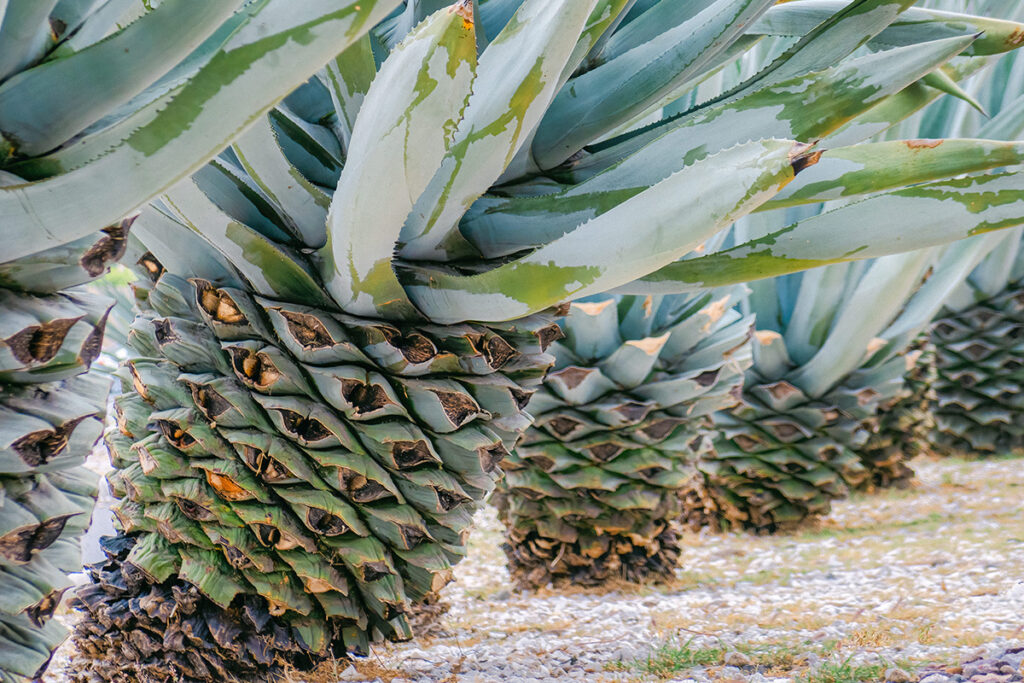
When it comes to tequila vs mezcal, the easiest way to understand it is to see mezcal as the big family and tequila as one specific member of that family. Mezcal is a broad type of alcohol made from the heart of the agave plant, also known as maguey.
The name of Mezcal comes from an ancient Nahuatl word meaning “cooked agave.” These beverages can be produced from more than 30 different agave varieties, both wild and cultivated, which gives them a wide range of flavors.
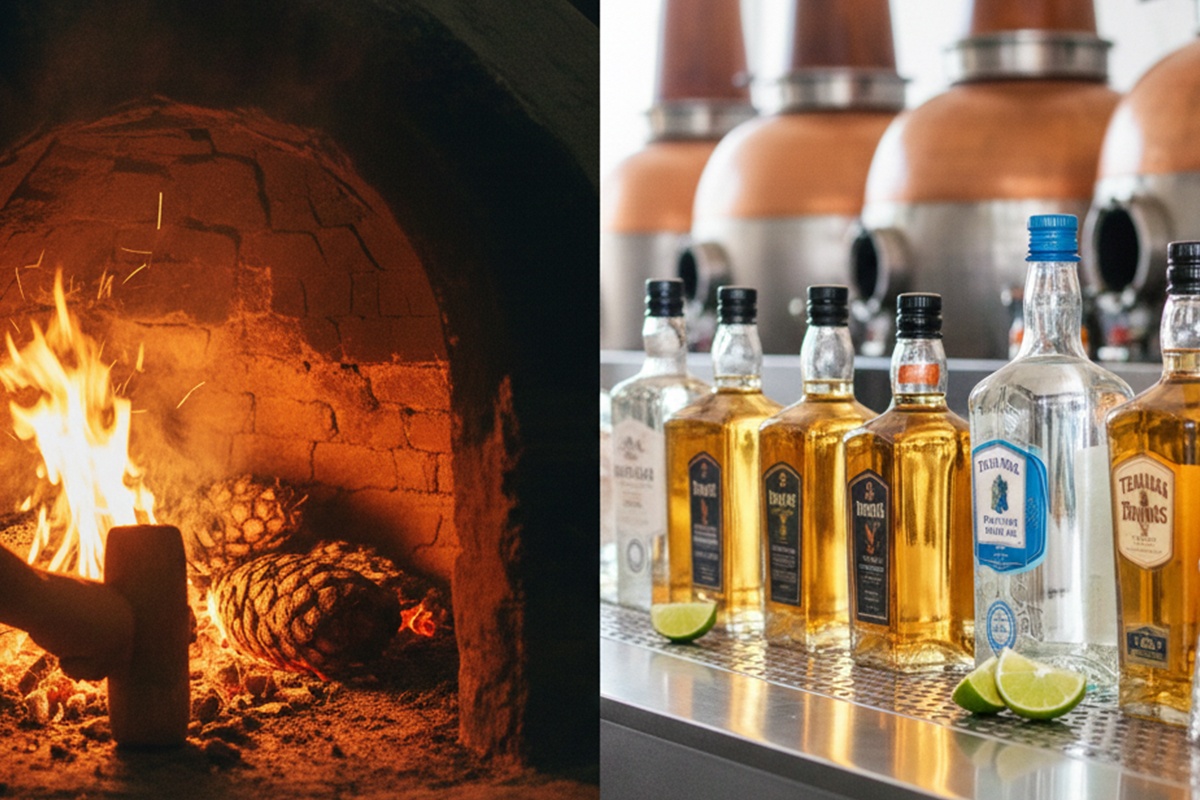
What really defines mezcal is its bold, smoky character, created by roasting the agave hearts in underground pits over firewood before fermentation. Most of this alcohol is still made in a traditional, artisanal way, with Oaxaca being its most famous home.
The main difference between mezcal and tequila comes down to the type of agave used and the regulations that control how each spirit is produced.
Tequila can only be made from one agave variety, Blue Weber Agave, and must follow strict Mexican regulations. Instead of being smoke-roasted, this century plant is usually steamed in ovens, resulting in a flavor that’s cleaner, smoother, and slightly sweeter with fresh, herbal notes.
Most of these blue agave spirits are produced on a larger scale in the Jalisco region and nearby areas, giving them a more consistent and polished style.
The 5 Core Differences Between Mezcal and Tequila

When it comes to the differences of these drinks, it starts right from the agave and how it’s cooked, and you can actually taste it in the glass, especially when ordering at a fancy restaurant.
1. Agave Plants Used
Tequila plays by very strict rules. It can only be made from one agave variety, the Blue Weber agave. Mezcal is much more expressive and flexible, using more than 30 types of agave, including Espadín, Tobalá, and Tepeztate.
2. Cooking Method and Flavor
The process really shines in how the agave is cooked. For tequila, the agave hearts are gently steamed in ovens, creating a clean, slightly sweet taste with fresh, herbal notes.
Mezcal takes a bolder path, roasting the agave underground over firewood and hot stones. This traditional method gives its signature smoky aroma and intense flavor, often compared to peated Scotch.
If you’re weighing mezcal vs tequila calories, tequila generally comes out a bit lighter. That makes it a popular choice for those who enjoy good beverages but still want to keep things balanced without overthinking every sip.
3. Distillation Style
When people ask how mezcal different from tequila, distillation is a big part of the answer. This beverage is usually produced with modern copper stills and large-scale systems, giving it a clean, polished, and consistent flavor from bottle to bottle.
This reliability makes tequila a popular choice among classic spirit drinks and widely enjoyed beverages. Mezcal, on the other hand, is often distilled using traditional clay or wooden stills. This hands-on method means each batch can taste slightly different.
4. Where They’re Made
Geography also plays a major role in defining both of these drinks. Tequila must be produced primarily in Jalisco, with small approved areas in nearby states, giving it a tightly controlled identity.
This regional focus helps maintain its recognizable profile as one of the world’s most popular spirit drinks.
Mezcal is most closely associated with Oaxaca, which produces the majority of the drinks available today. Other approved regions add even more diversity, making these beverages one of the most varied.
5. Labels and Classification
When comparing both of these drinks, their labels tell very different stories. Tequila focuses on how long the spirit has been aged. Blanco is fresh and unaged, Reposado spends a few months resting in barrels, and Añejo is aged longer for deeper, richer flavors. This system makes it easy to pick a style based on smoothness and maturity.
Mezcal takes a different approach. Instead of age, its classification highlights how it’s made. This is why these beverages often feel more personal and expressive.
Types of Mezcal and Tequila
Types of Mezcal
When choosing mezcal vs tequila, mezcal stands out because its categories focus more on how it’s made rather than just how long it’s aged. This approach gives this agave drink a wide range of personalities, making it popular for everything from sipping neat to creative types of cocktails at modern bars.
Based on Production Method
- Artesanal
Crafted using traditional techniques, where agave is roasted in underground earthen pits and distilled in copper stills. This style delivers bold, smoky flavors that feel deeply rooted in tradition, much like discovering a rare local wine made by small producers.
- Ancestral
The most traditional and hands-on style. It uses clay stills and manual agave crushing, resulting in intense, earthy flavors that truly reflect ancient methods and craftsmanship.
Based on Aging Period
- Joven
Clear and unaged, bottled straight after distillation. It offers a strong agave-forward taste with pronounced smokiness, often favored in bold cocktail creations.
- Reposado
Rested in wooden barrels for two months up to one year, giving it a smoother profile while still preserving its smoky character.
- Añejo
Aged for at least one year, producing a darker color and softer, more rounded flavors that are ideal for slow sipping.
Types of Tequila
When exploring tequila at day clubs, beach clubs, or other nightclubs, it helps to know that these drink styles are defined mainly by aging. Here are their main types:
- Blanco (Silver/White)
Fresh, clear, and bottled straight after distillation or aged for no more than two months. This style highlights the pure taste of agave and is a favorite for crisp cocktails.
- Reposado (Rested)
Aged in oak barrels for two months to one year, giving it a light golden color and smooth notes of vanilla and caramel. It’s balanced enough for sipping, yet still works beautifully in mixed drinks.
- Añejo (Aged)
Rested for one to three years in small barrels, resulting in a richer, smoother profile with deeper layers of flavor. This is the go-to choice for slow sipping rather than mixing.
- Extra Añejo
A newer and more luxurious category, aged for over three years. With its deep, complex character, it often reminds people of aged whiskey or brandy and is best enjoyed neat.
- Cristalino
An aged blue agave spirit that’s carefully filtered to remove its color while keeping the depth from barrel aging. The result is a clear spirit that looks light but tastes refined, making it popular in modern cocktail menus in many cocktail bars.
Enjoy The Signature Tequila from The Jungle Club

In the end, mezcal vs tequila is really about preference. One leans toward bold, smoky character with a handcrafted soul, while the other feels cleaner, smoother, and shaped by refined tradition.
If you’re curious to explore both styles in a fresh and playful way, head to The Jungle Club Ubud, where TJC reimagines agave spirits with a signature wild edge, best enjoyed high above the jungle canopy.