
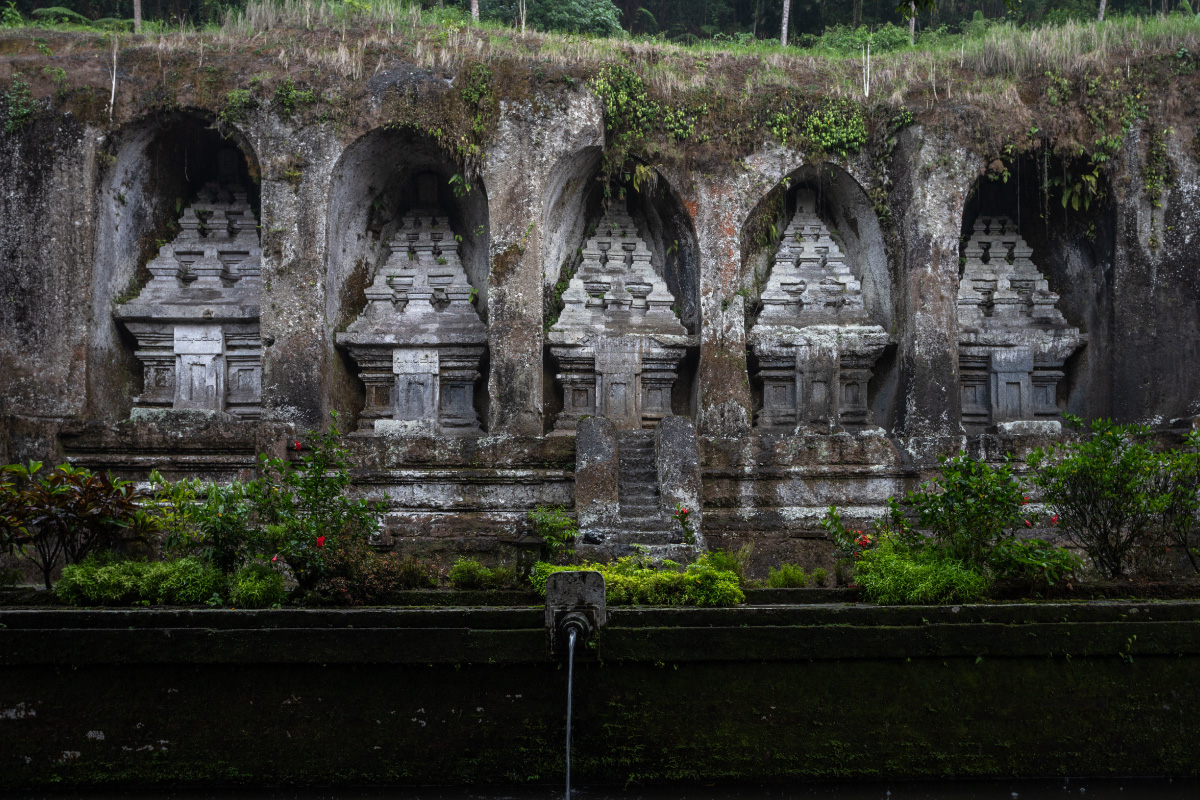
Gunung Kawi Temple is one of Bali’s sacred sites built high in the hills, reflecting the deep Hindu Dharma philosophy that shapes many of the island’s temples. Bali’s most iconic highland sanctuary, like Besakih, Puncak Penulisan, and Gunung Kawi, have long been places of spiritual importance and stunning natural beauty.
This guide will walk you through everything you need to know before visiting, making your trip to Gunung Kawi Temple in Ubud smooth, meaningful, and memorable. Here is Gunung Kawi Temple in Ubud, a complete guide to this ancient wonder.
Gunung Kawi Temple Location
Gunung Kawi Temple Bali sits on Jl. Gn. Kawi in Tampaksiring, about 16.4 km from central Ubud, with a travel time of roughly 30–35 minutes. The route takes you through Teges and Bedahulu before reaching the Tampaksiring area. Keep in mind that traffic around Ubud and the road to Tampaksiring can affect your travel time.
Many travelers confuse this religious place with Gunung Kawi Sebatu, which is an entirely different site. Located on Jl. Kusuma Yudha in Sebatu, Tegallalang, the Sebatu temple in Ubud is known for its sacred spring water (tirta) used for purification rituals and its serene, forested surroundings.
Make sure you select the correct destination, Tampaksiring for the historic cliff-carved shrines or Sebatu for the peaceful water shrines experience.
Gunung Kawi Temple History
Pura Gunung Kawi is one of Bali’s most captivating archaeological sites, featuring ancient shrines carved directly into the cliffside along the sacred Pakerisan River. According to historical records, these monumental rock-cut shrines were created as a place of worship for King Anak Wungsu, son of King Udayana, and the royal family.
King Udayana and Queen Gunapriya Dharmapattni had three sons: Airlangga, who ruled Kediri in East Java, and Marakata and Anak Wungsu, who continued the Balinese royal lineage. After their passing, these kings were honored and enshrined at this site.
Inscriptions found on the temple walls, including the Kediri Kwadrat inscription mentioning “Haji Lumah ing Jalu” and “Rwa nak ira,” help historians identify which shrines belong to Udayana and his sons. Another inscription from 1023 AD describes the nearby Amarawati Hermitage, believed to be part of the Gunung Kawi Ubud area.
Beyond its archaeological value, this iconic pura is still an active temple site, serving both as a sacred place of ancestral worship and a center for spiritual learning and religious practices.
Interesting Things about Gunung Kawi Temple in Ubud
This historic pura offers a rare blend of history, spirituality, and natural beauty that makes it truly special. Below are the highlights that show why Gunung Kawi Temple is worth visiting, along with insights that enhance your experience:
1. Cliff-Carved Temple Architecture
The most iconic feature of the site is its ten monumental shrines, each about seven meters tall, carved directly into the cliff face. This incredible rock-cut design is extremely rare in Bali and showcases the remarkable craftsmanship of the 11th-century Balinese civilization. It’s one of the reasons many visitors happily pay the Gunung Kawi Temple entrance fee to witness this ancient masterpiece up close.
2. A Scenic Journey Through Nature
Reaching this place of worship involves walking down (and later climbing back up) around 300 steps. The path winds through lush rice terraces and beautiful valleys, turning the journey itself into part of the adventure. It feels as if you’re entering a hidden world, an experience unlike any other place to visit.
3. History and Legends of the Ancient Kingdom
Gunung Kawi is tied to the Warmadewa Dynasty, believed to honor ancient Balinese kings. Local legends add magic to the site, especially the story of the giant Kebo Iwa, said to have carved the shrines in a single night. This mix of real history and myth creates a deeply captivating atmosphere.
4. A Sacred and Peaceful River Valley
The complex sits beside the holy Pakerisan River, which also feeds the famous Tirta Empul. The flowing water enhances the sense of serenity, creating a calm, purifying setting that feels spiritually alive, much like the ambiance you’d find during sightseeing at Ubud Water Palace.
Unwind After Exploring Ubud at The Jungle Club
This iconic place of worship offers a unique blend of history, spirituality, and natural beauty, making it one of Bali’s most meaningful heritage sites. Many Gunung Kawi Temple review experiences praise for its serenity, immersive atmosphere, and the rewarding journey through lush rice terraces that leads to the valley.
After exploring the temple’s sacred grounds, unwind at The Jungle Club, a relaxing cliffside escape surrounded by greenery. It’s the perfect spot to refresh, enjoy great food, and soak in Ubud’s calming atmosphere after the long walk through Gunung Kawi’s stone steps and river paths. Make your visit complete by stopping by The Jungle Club, book your table now through their website for the best experience.