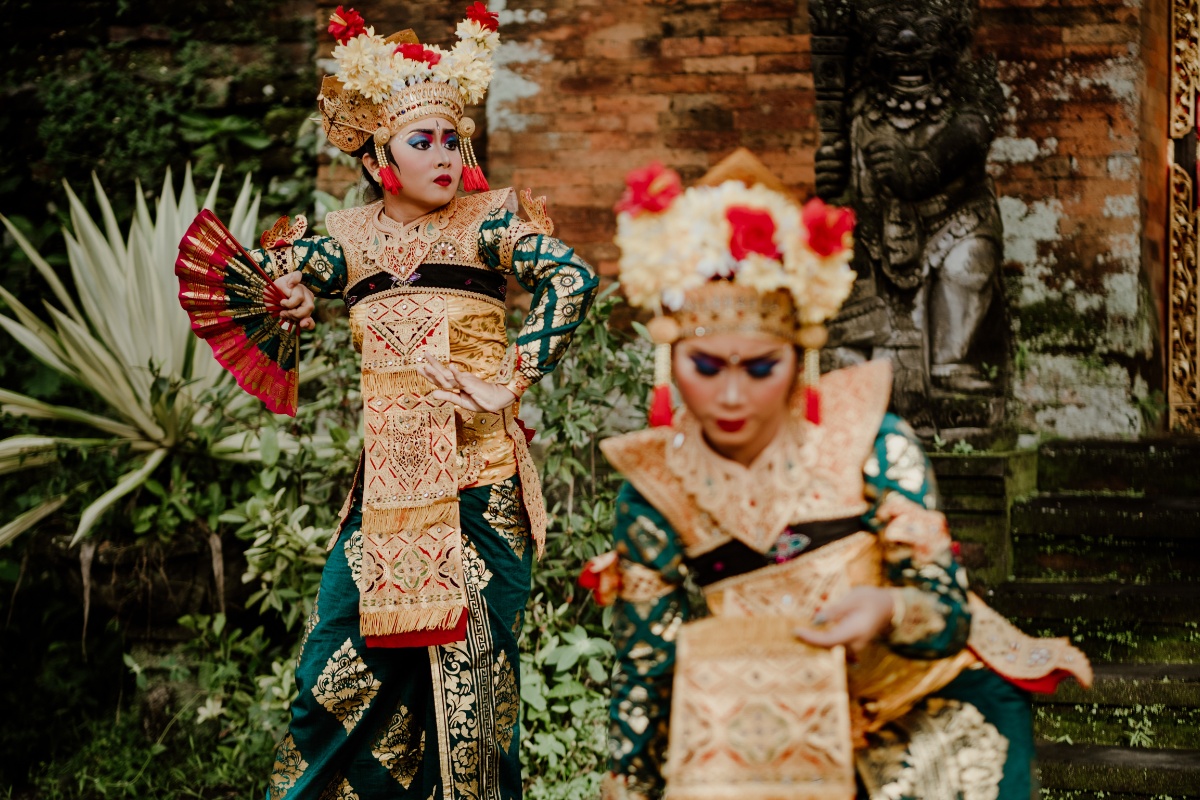
Balinese dance is globally celebrated, earning a place on UNESCO’s Intangible Cultural Heritage list in 2015. These dances come in three forms, sacred, semi-sacred, and entertainment. Each form carrying deep cultural meaning and artistic beauty.
This guide highlights the most iconic traditional performances and where to enjoy them, including popular performances in Ubud spots. Here are 9 traditional Balinese dances you simply can’t miss.
1. Legong Keraton Dance
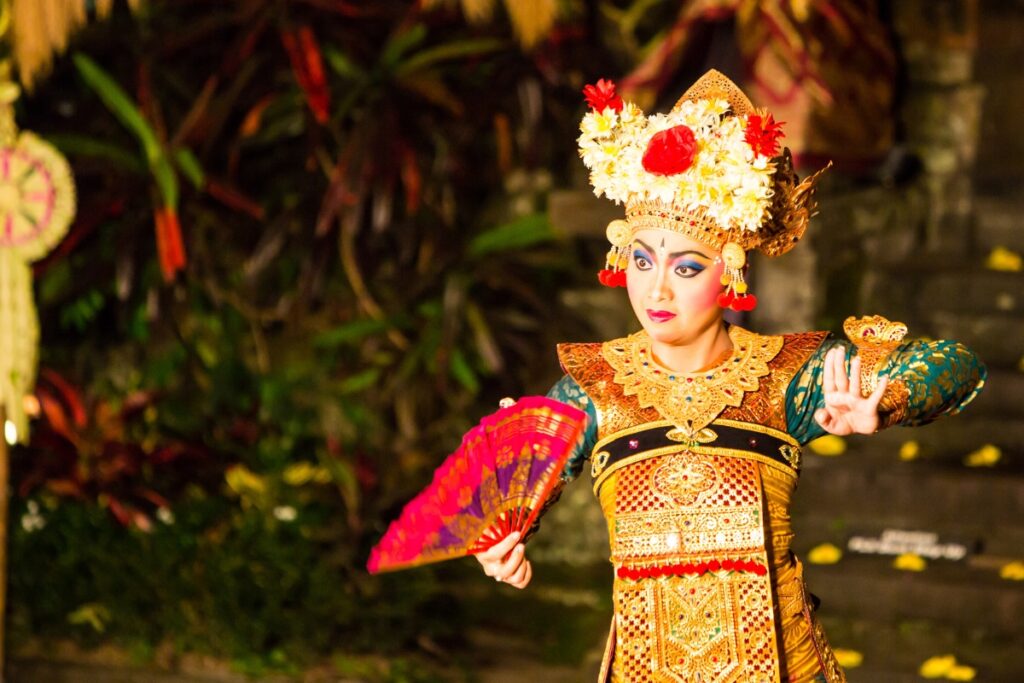
The Bali dance known as Legong is one of the island’s most beloved cultural performances. Originally reserved for royalty, Legong Keraton has evolved into an art form everyone can appreciate. Its graceful movements portray heavenly widyadari, angelic figures, traditionally performed by young girls whose refined gestures represent purity and elegance.
The best place to watch Legong Keraton is in Ubud, especially at iconic venues like Ubud Water Palace or Puri Saren Agung. At Puri Saren Agung, shows usually take place in the evening around 7:30 PM, with tickets starting at IDR 100,000, making it an unforgettable cultural highlight during your visit.
2. Barong Ket Dance (The Lion Dance)
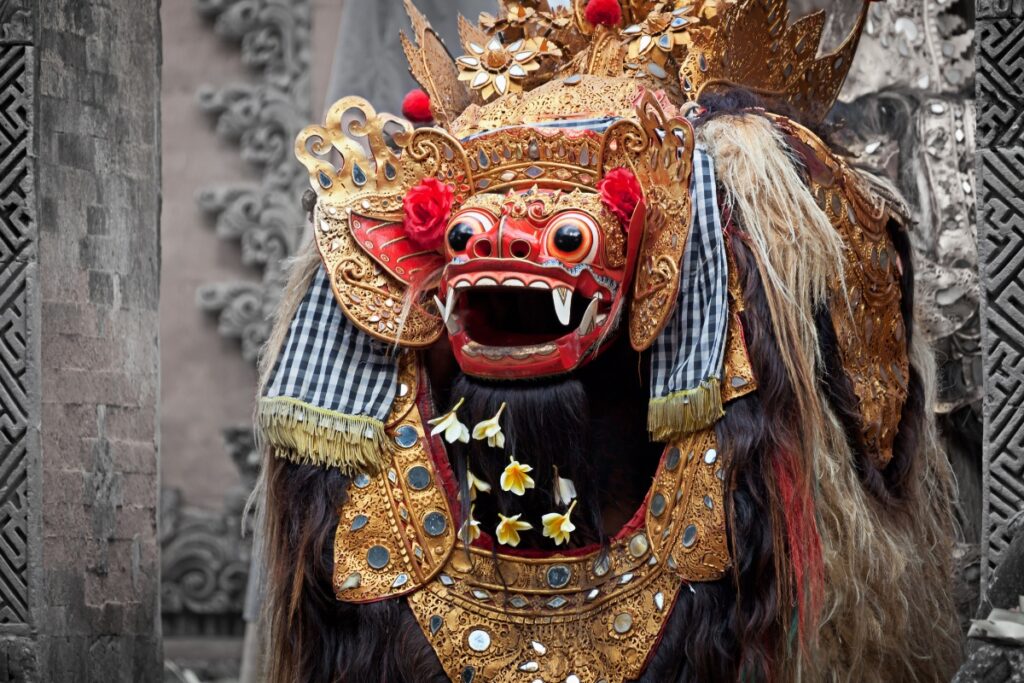
A classic Bali dance show, Barong Ket represents protection and strength. The Barong, symbolizing Dharma (good), battles the fearsome Rangda, symbolizing Adharma (evil). Their endless struggle reflects the Balinese philosophy of Rwa Bhineda, opposites that coexist in balance.
One of the most memorable moments is the Keris Dance, where performers in a trance attempt to stab themselves but remain unharmed under Barong’s spiritual protection.
Morning shows around 9:30 AM are the most popular, especially in Batubulan Village, Gianyar. The area is known for its dedicated stages like Sahadewa and Chandra Budaya, where paid performances run daily.
3. Joged Bumbung Dance
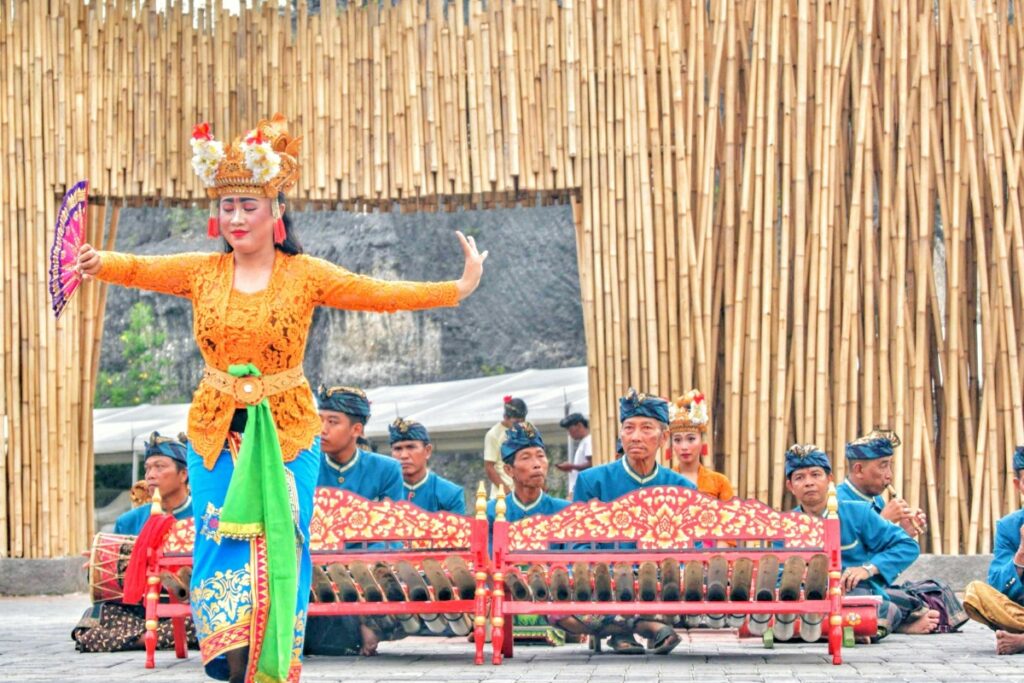
A cheerful Bali traditional dance, Joged Bumbung, brings a lively village spirit to the stage. A solo female dancer invites someone from the audience, meaning tourists can participate in Balinese dance, making it a fun and interactive experience.
Accompanied by bamboo instruments, the performance feels light, joyful, and deeply rooted in community traditions.
Instead of daily ticketed shows, Joged Bumbung usually appears during cultural festivals such as the Bali Arts Festival, events at GWK, or village celebrations across the island.
4. Wayang Wong (Dance Drama)
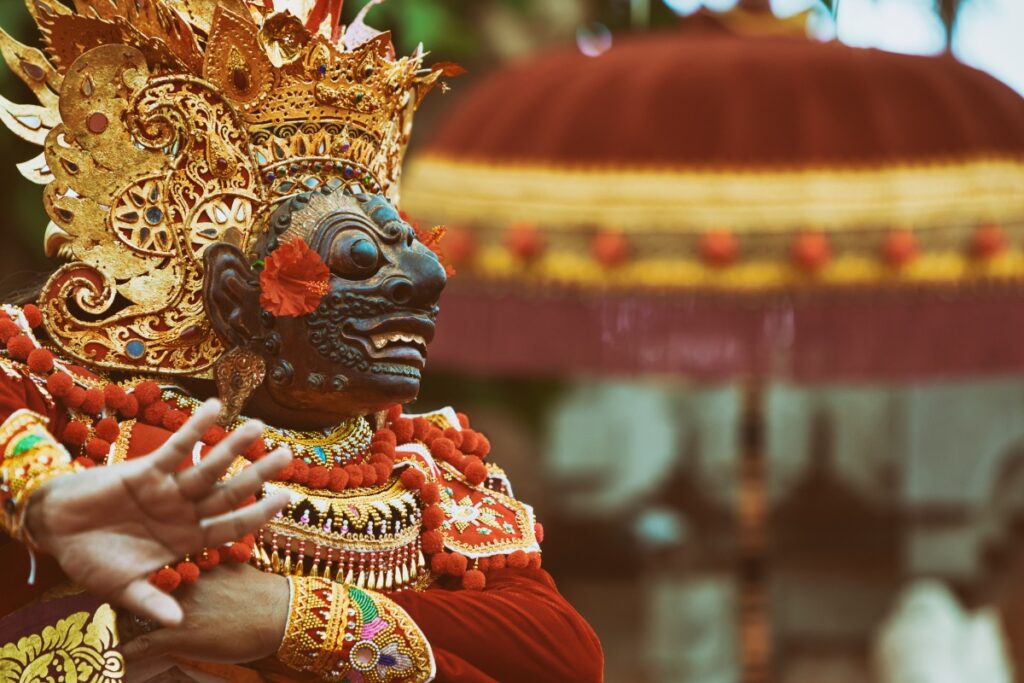
Wayang Wong is a traditional Balinese dance inspired by the famous Wayang Kulit shadow puppets, except the characters come to life through human performers. Dancers wear masks, ornate costumes, and bring epic Ramayana stories to the stage with characters like Rama, Sita, Hanoman, and Rahwana. The Tejakula style from Buleleng is especially sacred, with masks believed to hold spiritual power.
Because of its complexity and ritual value, Wayang Wong is not a daily tourist show. Your best chance to see it is during the Bali Arts Festival (June–July) at the Art Center in Denpasar, while the most authentic version in Tejakula appears only during temple ceremonies.
5. Sidakarya Mask Dance
This ritual performance is deeply meaningful in Balinese culture and is performed to complete major ceremonies. A Balinese dancer wearing a white mask with a gentle smile symbolizes purification and the success of the ritual. The dancer scatters yellow rice and coins as blessings, creating a powerful and sacred atmosphere.
Because this dance is strictly ceremonial, it isn’t sold as entertainment and can only be witnessed during temple festivals (Odalan). Visitors may see it by chance, but must wear proper traditional attire and follow temple etiquette.
6. Gambuh Dance Drama
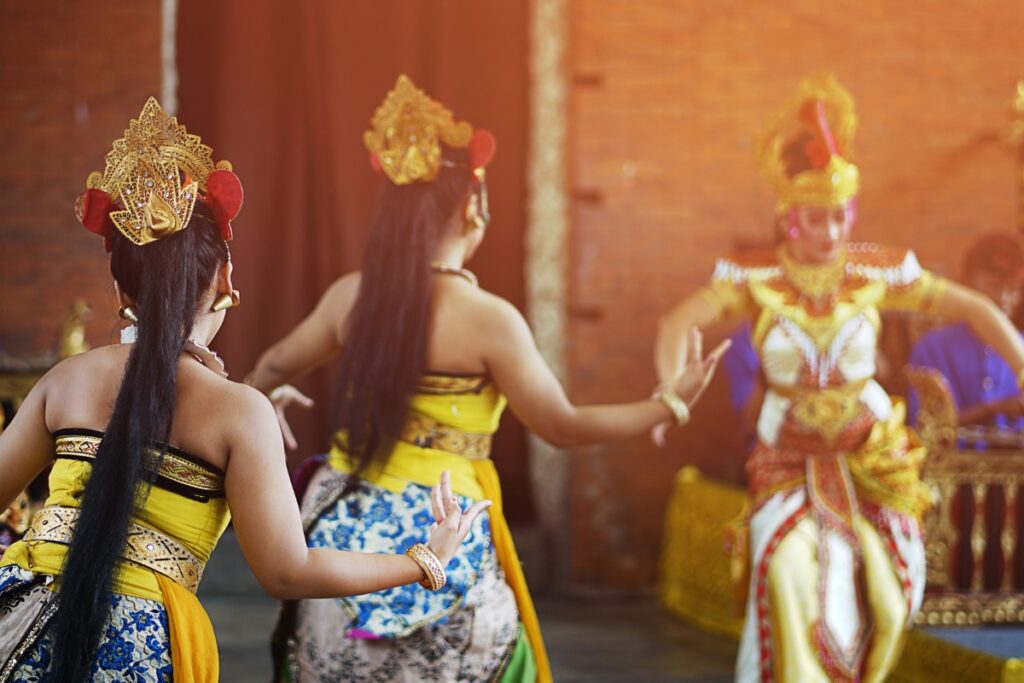
Gambuh is one of the oldest forms of Balinese Dance, often called the “mother” of all classical performances on the island. Dating back to the 15th century, this ancient dance drama carries Majapahit influences and features refined movements that later inspired dances like Legong. Its music is performed with the rare Gamelan Pegambuhan, highlighted by long bamboo flutes and the rebab, creating a soft, melancholic sound.
The dialogue is delivered in old Kawi (Classical Javanese), making it a truly historic and cultural experience. The best place to watch Gambuh is in Batuan Village, Gianyar, where the tradition is carefully preserved. Some shows require tickets or donations, so it’s wise to check with local guides before you go.
7. Sanghyang Dedari Dance
Sanghyang Dedari is a sacred trance ritual performed by young Balinese dancers believed to channel angelic spirits (Dedari). With eyes closed, the dancers move in perfect harmony, even balancing on the shoulders of men, guided entirely by trance and accompanied not by gamelan, but by chanting voices that call the spirits.
Because of its spiritual significance, authentic versions are rare and performed mainly during ceremonies. Visitors can watch a combined Kecak & Sanghyang show in Peliatan, while villages like Bona (Gianyar) and Geriana Kauh (Karangasem) present more traditional performances during special events.
8. Rejang Dance
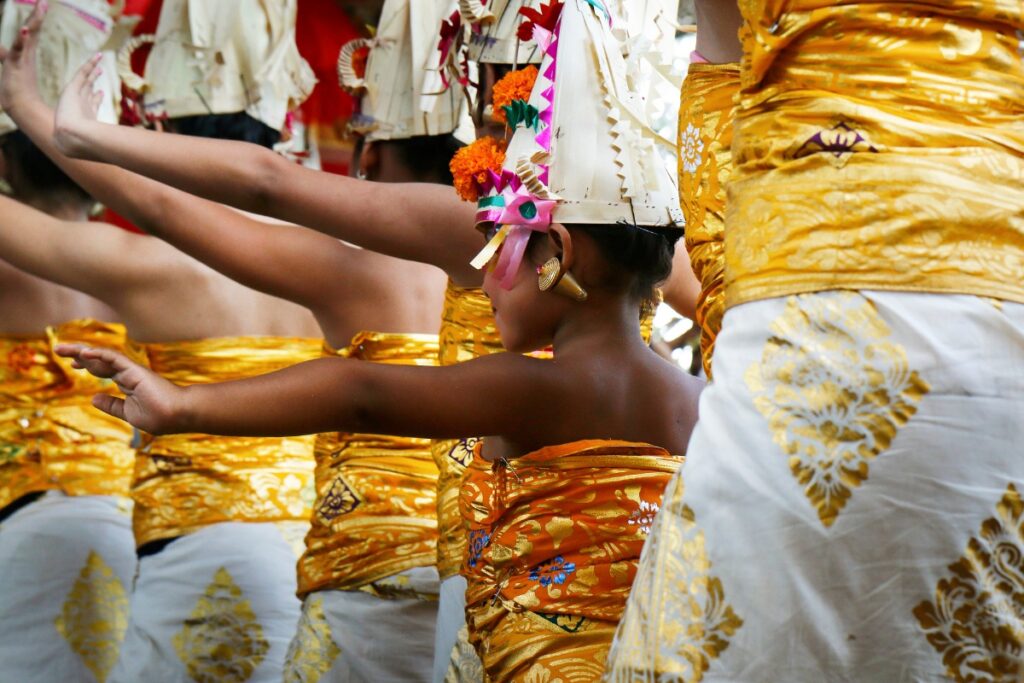
The Rejang Dance is one of the most sacred forms of Balinese dance, performed as a graceful welcome to the gods during temple ceremonies. Its movements are soft, repetitive, and filled with devotion, creating a serene atmosphere that symbolizes purity and surrender.
Traditionally danced by groups of women, Rejang Dewa is performed by young girls, while Rejang Renteng is performed by adult women linked together by scarves.
The dancers wear yellow-and-white ceremonial attire with delicate leaf or golden headdresses. Like many sacred temple dances, Rejang is not a commercial show, there are no tickets and no scheduled performances.
It can only be witnessed inside the temple’s main courtyard during major ceremonies, where you’ll also see how Balinese dancers move their eyes as part of the choreography, one of the unique signatures of Balinese dance
9. Baris Dance Ceremony
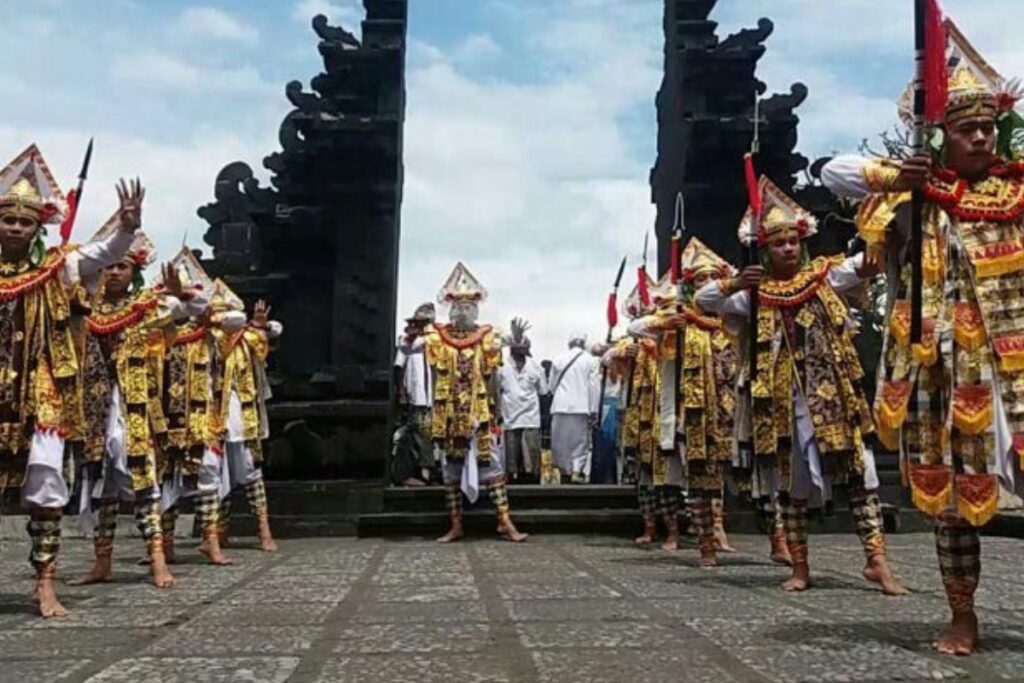
Baris Gede is a powerful traditional Balinese dance performed only during major temple ceremonies. Unlike the popular Baris Tunggal seen on tourist stages, Baris Gede is the sacred, ceremonial version that portrays a troop of warriors escorting the gods and ancestral spirits.
Its movements emphasize strength, discipline, and the noble maturity of Balinese men as protectors of the spiritual realm.
Danced by groups of adult men carrying real heirloom weapons like spears, shields, or swords, each variation is named after the weapon it features.
This sacred performance appears at major temples such as Besakih or Batur, or during high-ranking cremation ceremonies. If you see a solo male dancer with sharp eye movements in a triangular costume on a commercial stage, that is the entertainment-style Baris Tunggal, not the ceremonial Baris Gede.
Closing Thoughts on Balinese Dance
Balinese dance is one of the island’s most captivating cultural treasures, blending artistry, spirituality, and storytelling in every movement. From sacred temple rituals to enchanting evening performances, these dances offer a glimpse into Bali’s deep-rooted traditions and vibrant community life.
Exploring these performances adds a meaningful layer to your cultural journey, whether you’re watching Legong in Ubud or witnessing ceremonial dances during temple festivals. For travelers seeking more cultural insight and unforgettable experiences, The Jungle Club is your go-to guide in Bali, ready to help you discover the island’s most authentic and inspiring moments.