
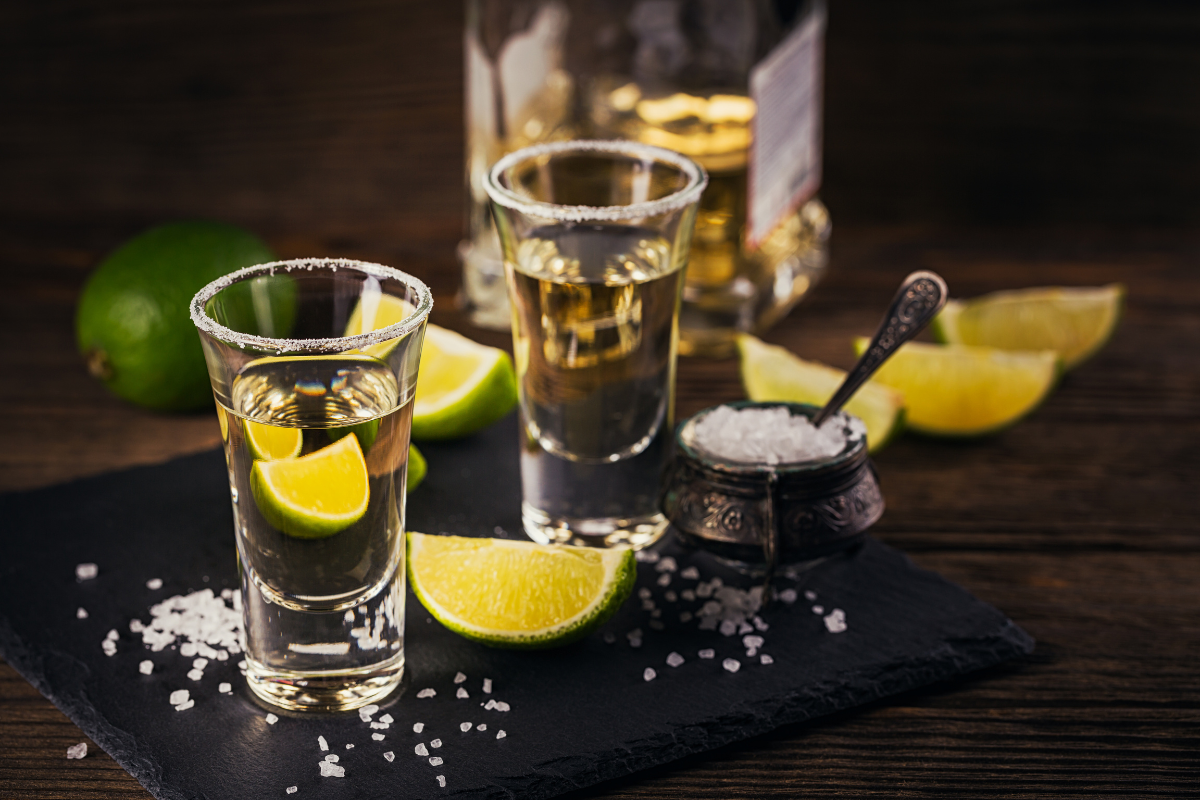
Tequila is a distilled spirit made from blue agave, a plant that grows mainly in Jalisco, Mexico. Known for its distinctive flavor, tequila is enjoyed around the world, whether sipped on its own or mixed into popular cocktails.
If you’re curious to learn more about tequila, there’s no better place to start than The Jungle Club Ubud, where tropical views and a vibrant atmosphere make every sip more enjoyable. In this guide, we’ll break down the different types of tequila, including Blanco, Reposado, Añejo, and more, so you can find the one that suits your taste best.
What Is Tequila and Where Does It Come From?
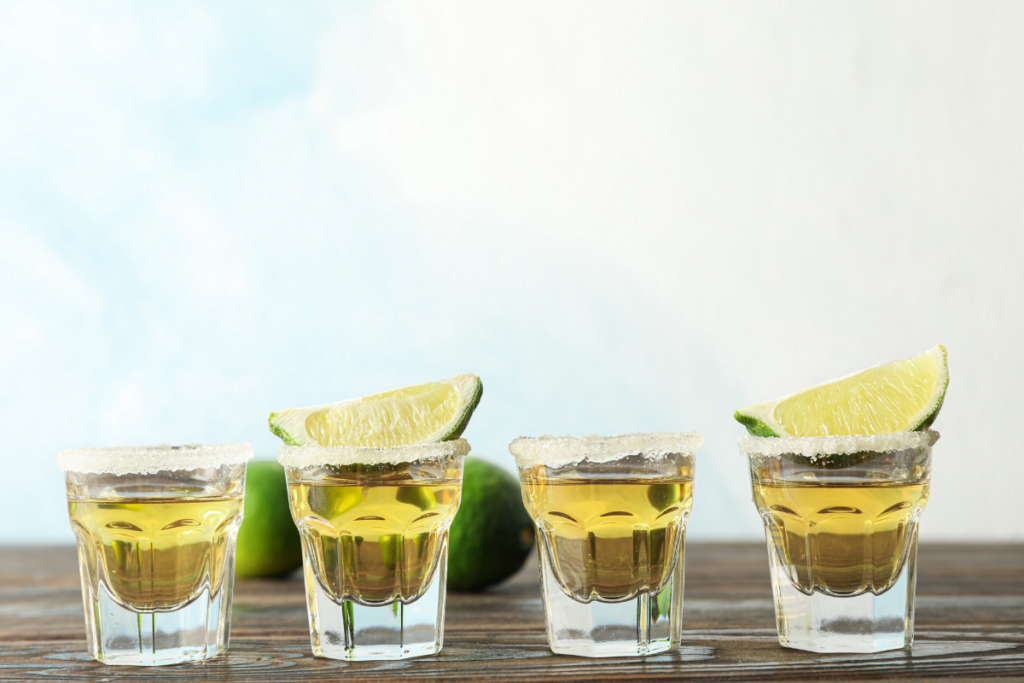
Tequila is a distilled beverage that originates from Mexico and is made from a specific variety of agave known as Agave tequilana. To be recognized as authentic tequila, it must follow strict production standards. While some varieties contain a blend of sugars, premium labels are crafted entirely from agave, resulting in a more refined flavor profile.
Many people wonder how tequila is made. The process begins with harvesting the heart of the plant, known as the piña, which takes around 7 to 12 years to mature. Once harvested, it is slowly cooked to release natural sugars, then pressed, fermented, and distilled into the spirit enjoyed around the world today.
Where Does Tequila Come From?
The origins of tequila are closely tied to Jalisco, Mexico, a region known for its long history of agave cultivation. In fact, most of the world’s production takes place here, particularly around the town of Tequila and the highland areas known as Los Altos.
A few designated areas in Guanajuato, Michoacán, Nayarit, and Tamaulipas are also permitted to produce it. However, beverages made outside these protected regions cannot legally use the tequila name, even when produced using the same methods. Instead, they are classified under the broader category of agave spirit.
The unique growing conditions in western Mexico, especially the mineral-rich volcanic soil, contribute to the distinctive taste associated with tequila. These conditions help the blue agave plant develop the sweet, herbal, and slightly earthy characteristics that make this spirit so recognizable.
The 5 Types of Tequila You Should Know
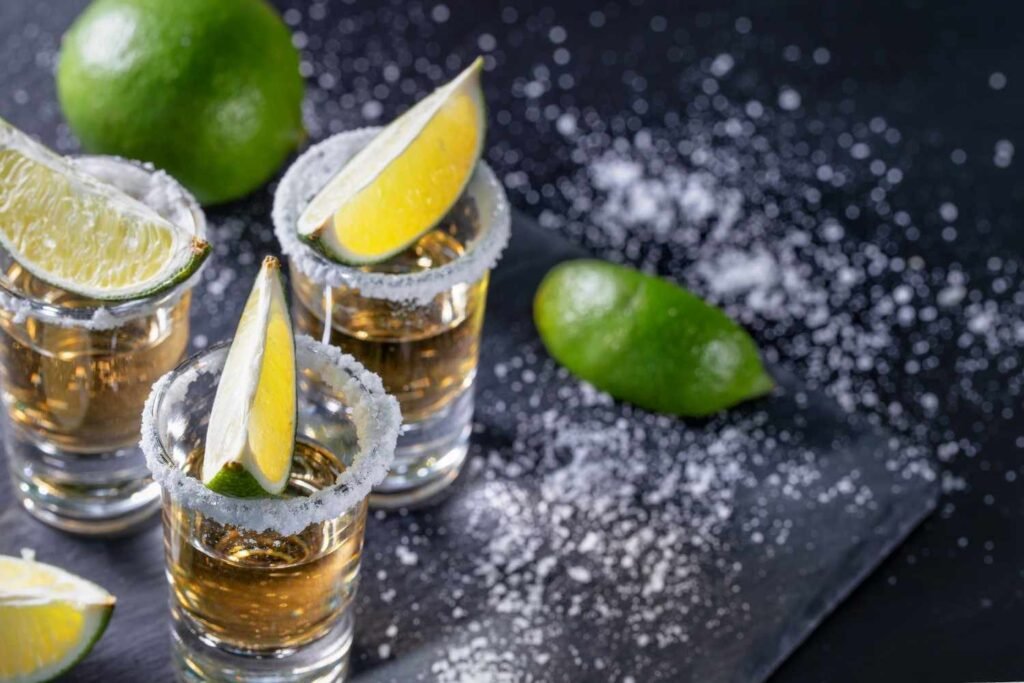
1. Blanco (Silver) Tequila
Among the different types of tequila, Blanco is often considered the most straightforward and authentic style. It is either bottled immediately after distillation or rested for no more than two months, which allows it to maintain its clear appearance.
This variety is known for its bright and refreshing character, with notes of citrus, pepper, and fresh herbs. Because the natural agave flavors remain front and center, many bartenders prefer blanco tequila for mixed drinks.
Its crisp profile works especially well in a tequila margarita, where the spirit can still shine alongside lime and orange liqueur. You’ll also find it featured in a wide range of modern bar drinks thanks to its versatility and clean finish.
2. Reposado Tequila
Reposado, which means “rested” in Spanish, is aged in oak barrels for anywhere between two months and one year. During this time, the spirit develops a light golden color and a smoother character compared to younger varieties.
For those curious about what tequila tastes like, this style offers a nice mix of fresh agave flavors and subtle notes from the barrel-aging process. You may notice hints of vanilla, caramel, and oak, along with a gentle sweetness on the finish.
When comparing tequila blanco vs reposado, the latter is generally softer and more rounded, making it approachable for both new and experienced drinkers. Many people enjoy reposado tequila neat, although it also works beautifully in spirit-forward cocktails. If you’re exploring premium tequila selections, a well-curated lounge can be a great place to discover different expressions and serving styles.
3. Añejo (Aged) Tequila
Añejo, which means “aged” in Spanish, spends between one and three years maturing in oak barrels. This extended aging process gives the spirit a deep amber color and creates a richer, more layered flavor profile.
Known for its smooth texture and refined character, añejo tequila often develops notes of honey, vanilla, toasted oak, dried fruit, and a touch of smokiness. The longer time in the barrel also softens the spirit, making it easy to enjoy slowly.
Unlike tequila shots, which are often associated with younger styles, this expression is best appreciated neat or over a large ice cube. For many whiskey drinkers exploring agave-based spirits for the first time, this style quickly becomes a favorite drink thanks to its warm finish and elegant taste.
Its depth and complexity have also inspired several premium variations of the best tequila cocktails served in upscale bars around the world.
4. Extra Añejo (Ultra-Aged) Tequila
Extra Añejo is the most exclusive category of tequila, known for its rarity and extended aging process. To earn this classification, the spirit must spend at least three years in oak barrels, resulting in a deep amber color and remarkable depth of flavor.
The long maturation period creates a smooth and sophisticated profile where the original agave character becomes more subtle and refined. Extra añejo often reveals layers of dark chocolate, caramel, oak, earthy notes, and gentle spice, making every sip feel more complex than the last.
Because of its premium quality, this style is usually enjoyed neat during special occasions rather than mixed into cocktails. Many enthusiasts consider it the smoothest tequila to drink, thanks to its rich texture and elegant finish.
If you’re interested in exploring aged expressions in a more curated setting, an intimate bar can be a great place to discover rare bottles and expert recommendations. You may also find it featured in a professional bartender guide tequila collection, where it is often treated as a sipping spirit rather than a cocktail ingredient.
5. Joven (Gold) Tequila
Joven, which means “young” in Spanish, is typically created by blending a younger tequila with an aged expression such as Reposado or Añejo. This combination gives the spirit a smoother profile while still maintaining some of the fresh characteristics found in younger styles.
Many people ask whether gold tequila is generally the same as joven tequila. In most cases, the answer is yes, although some commercial versions achieve their golden color through added caramel coloring and flavoring rather than barrel aging.
Joven tequila is known for its approachable taste, often featuring light caramel sweetness with subtle agave notes. Its easy-drinking character makes it a popular option for those trying tequila for the first time.
Because of its versatility, it is commonly used in mixed drinks and party-style serves. You can even find it featured on the tequila cocktail menu at The Jungle Club Ubud, where bartenders use it to create balanced and approachable drinks.
Its smooth and crowd-friendly flavor profile also makes it a popular choice at day clubs, where refreshing cocktails are often part of the experience.
Best Ways to Drink Tequila
The best way to enjoy tequila often depends on the style you’re drinking. While many people associate tequila with quick shots, premium bottles are usually meant to be savored and appreciated more slowly.
1. Sip It Neat
Drinking tequila neat is one of the easiest ways to experience its full character. Simply pour it into a glass and take small sips at room temperature, allowing the flavors to develop on your palate before swallowing.
This method works especially well for aged expressions because it highlights the layers of vanilla, caramel, oak, and spice that develop over time. It’s also a great way to understand the differences between mezcal vs tequila, as the unique characteristics of each spirit become more noticeable when enjoyed on their own.
2. Serve It on the Rocks
If the alcohol feels a little strong, try adding a large ice cube. The slow melting process gently softens the spirit without significantly changing its flavor.
This approach is particularly enjoyable with Blanco and Reposado styles, as the cooler temperature can bring out subtle herbal and citrus notes while keeping the overall profile balanced.
3. Enjoy It in Classic Cocktails
Tequila pairs beautifully with fresh citrus, making it a versatile base for cocktails. Two of the most popular options are the Margarita, made with lime juice and orange liqueur, and the Paloma, which combines tequila with grapefruit soda and fresh lime.
If you’re looking for tequila experiences in Ubud, Bali, many bars and restaurants now offer both classic and creative tequila-based cocktails. You can also discover signature serves featuring tequila at The Jungle Club Ubud, where tropical surroundings and handcrafted drinks create a memorable way to enjoy this iconic Mexican spirit.
4. A Quick Tip Drink Tequila
When drinking a bottle made from 100% agave, there’s no need for the traditional salt-and-lime ritual. That practice became popular to mask the harsh taste of lower-quality products, while premium tequila is designed to be enjoyed for its natural flavors and smooth finish.
Conclusion
Tequila is far more diverse than many people realize, with each expression offering its own unique character, aging process, and flavor profile. Whether you prefer a fresh Blanco, a balanced Reposado, or a rich Añejo, there is a style of tequila that suits every taste and occasion.
If you’re looking to experience great tequila in a vibrant tropical setting, next time you’re in Ubud, let The Jungle Club guide your tequila journey. Explore expertly crafted cocktails, discover new favorites, and enjoy every sip surrounded by the lush beauty of Bali.