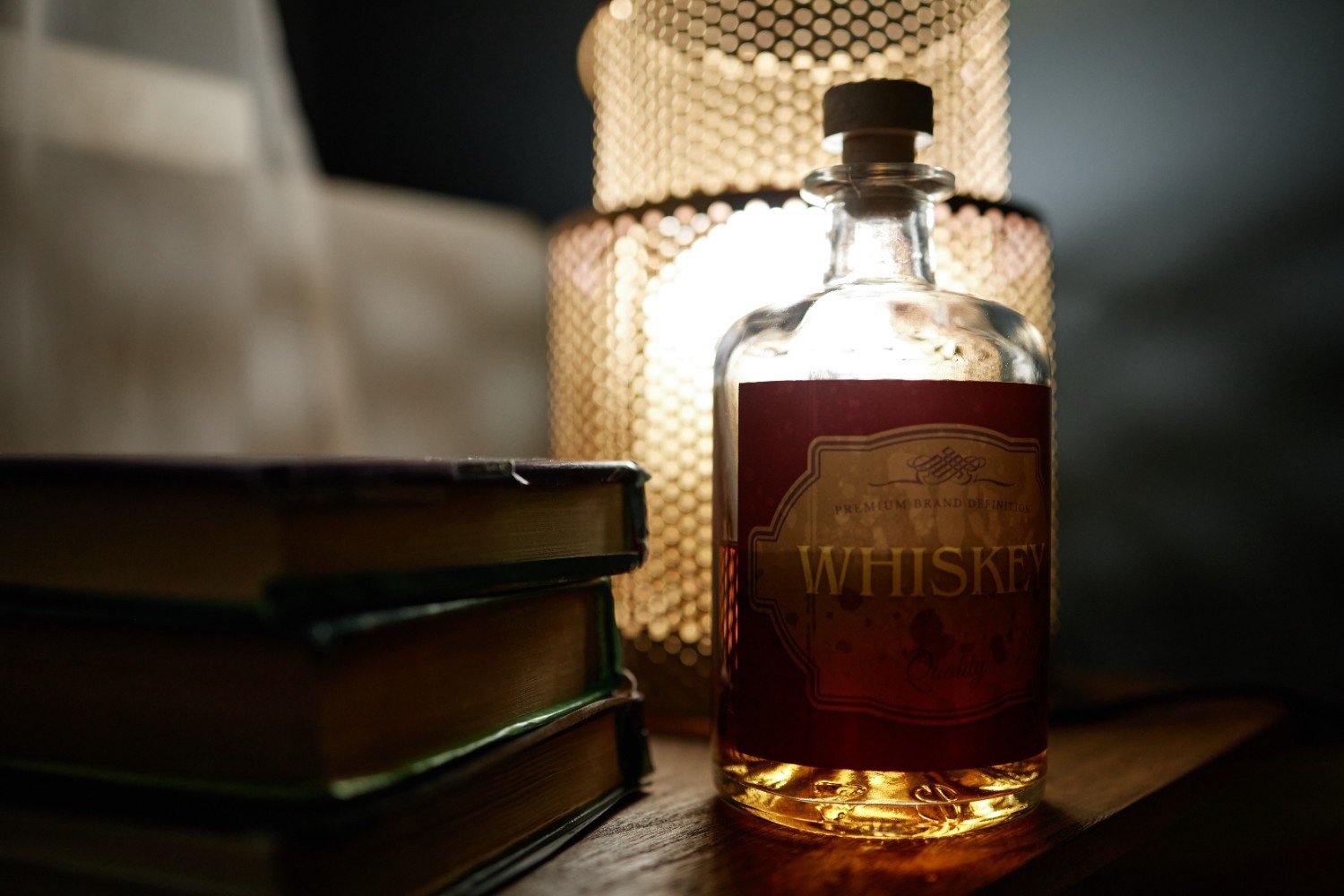
Some bottles of vintage spirits have sold for incredible prices, from a bottle of rum distilled in 1780 that fetched around $30,000 to a bottle of Scotch whisky from 1926 that sold for an astonishing $2.7 million. These remarkable sales show how rare spirits can become highly valuable collectibles over time.
In this guide, you’ll learn what vintage spirits are, what makes certain bottles so valuable, and why collectors are willing to pay premium prices for them. We’ll also explore the most sought-after categories of vintage spirits and share practical tips to help you start your own collection with confidence.
What Are Vintage Spirits?
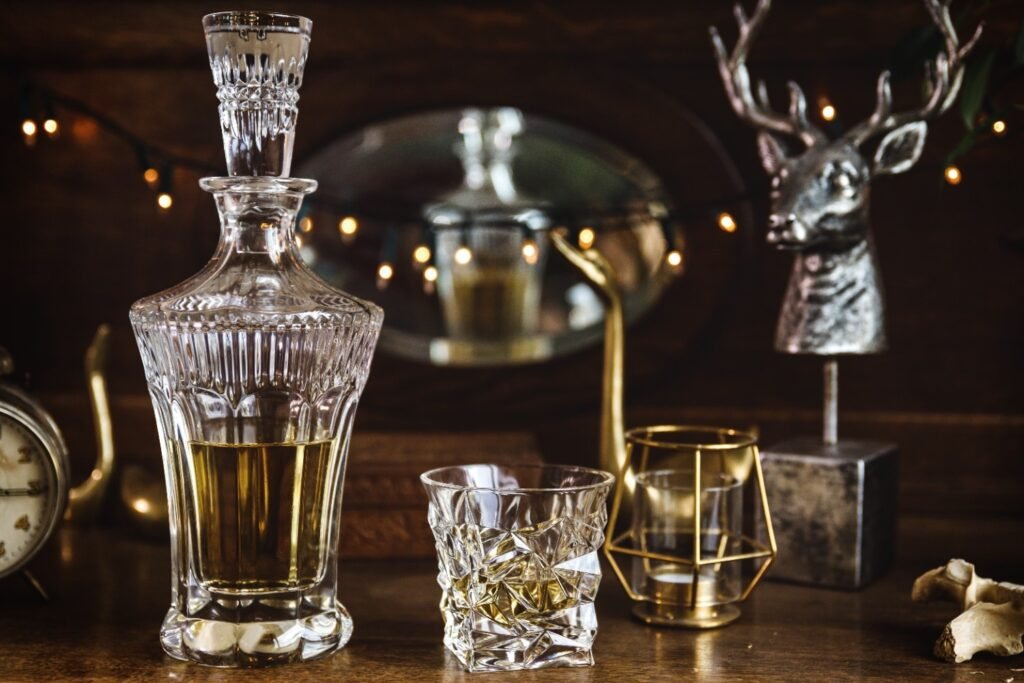
Vintage spirits are alcoholic drinks made from a specific distillation year, with both the distillation and bottling dates usually shown on the label. Unlike wine, these aged spirits develop their character while maturing in wooden barrels, not after they’re bottled.
Once a spirit is bottled, its flavor no longer changes. That’s why the term “vintage” refers to the year it was distilled rather than the year it’s opened or enjoyed. Many rare spirits are recognized by their clearly marked vintage year, limited production, and long barrel aging, often lasting 20, 30, or even more than 40 years.
At international auctions, these collectible bottles are often grouped under the category “Old & Rare,” highlighting their rarity and value among collectors.
What Makes a Spirit Vintage?
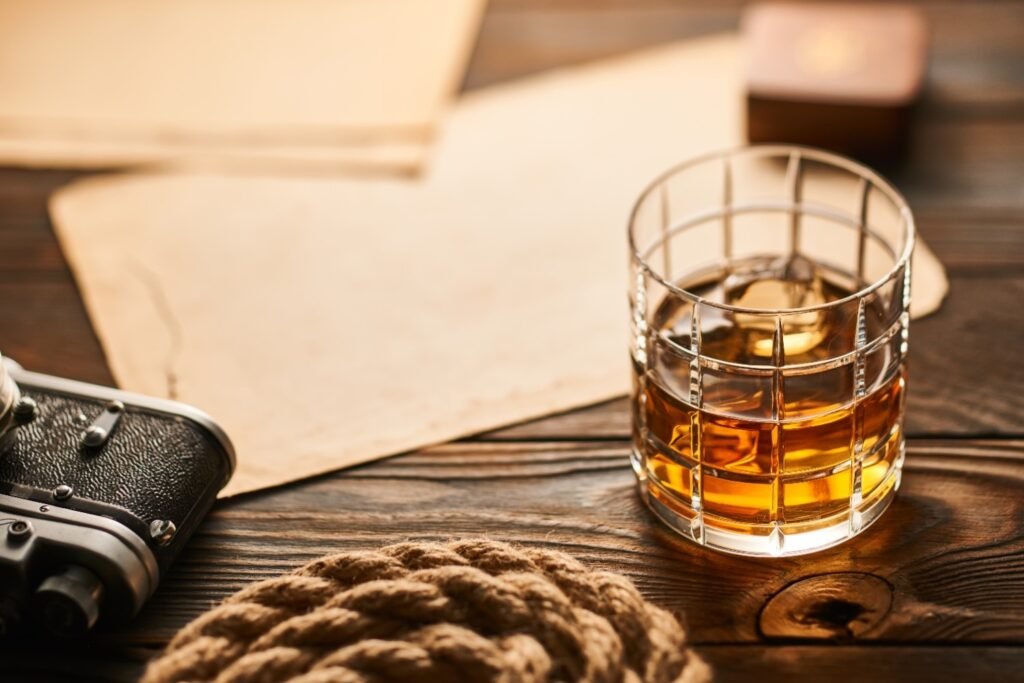
Not every old bottle becomes a valuable collectible. If you’re interested in vintage spirits investment, here are the key factors that collectors look for:
- Long Aging Period
Most valuable vintage bottles are aged for 20 years or more in wooden casks. This extended maturation creates richer, more complex flavors as some of the liquid naturally evaporates over time.
- Closed Distillery
Bottles from a closed distillery, such as Karuizawa, Hanyu, Port Ellen, or Brora, are especially sought after. Since these distilleries no longer produce spirits, their bottles become increasingly rare and valuable.
- Limited Production
Many collector spirits come from a single cask or are released in very small batches. Some are even bottled at cask strength, meaning they are not diluted before bottling, making them even more desirable to enthusiasts.
- Age Statement
A clear age statement or distillation year helps verify how long the spirit matured before bottling. This shows that what makes a spirit vintage goes beyond age alone, its production history matters just as much.
- Excellent Condition
Collectors value bottles with an unopened seal, a clean and readable label, and original packaging in good condition. Well-preserved bottles generally hold their value much better.
- Provenance
Documents such as original receipts, auction certificates, or a verified storage history help prove a bottle’s authenticity. Good provenance gives buyers greater confidence, especially when purchasing high-value vintage spirits investment bottles.
Vintage Spirits by Category
1. Vintage Scotch Whisky
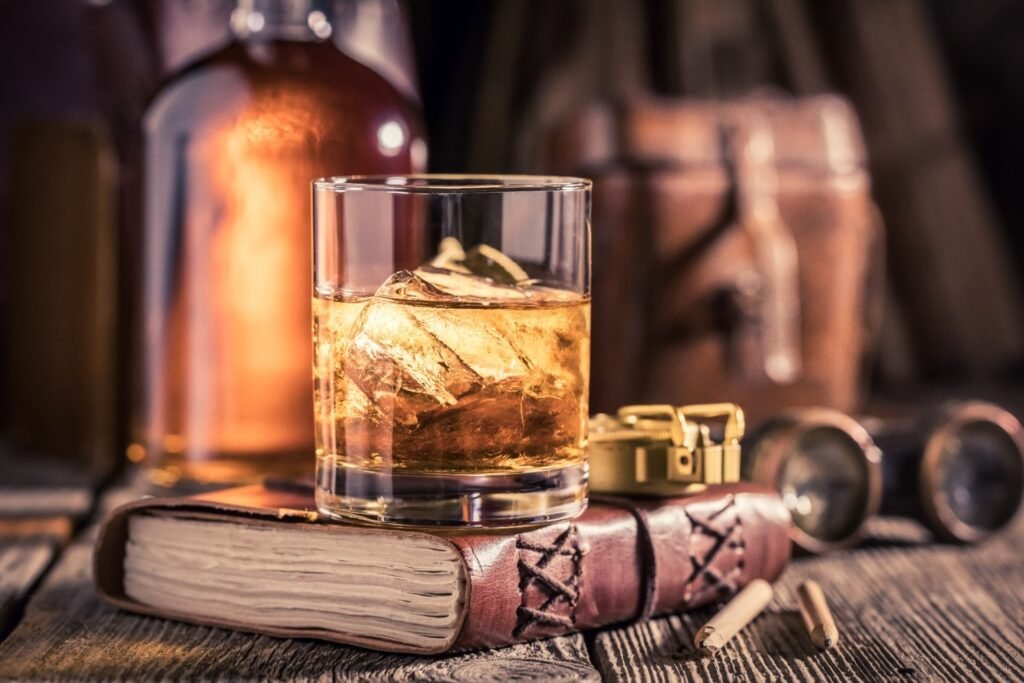
Vintage Scotch whisky has one of the largest and most established collector markets in the world. Bottles from distilleries such as The Macallan, Glenfarclas, Springbank, and closed distilleries like Port Ellen and Brora are among the most sought-after old & rare whisky collections.
One of the most famous examples is a 1926 bottle of The Macallan, which sold for $2.7 million at auction. Collectors usually look for bottles with long age statements, such as 21, 25, 30, 40, or even 50 years, especially if they’re released as limited edition spirits.
2. Vintage Japanese Whisky
Vintage Japanese whisky has also become highly desirable among collectors. Bottles from the closed Karuizawa and Hanyu distilleries, especially single-cask releases, regularly sell for $10,000 to more than $100,000 because of their rarity.
It’s worth noting that Karuizawa is exclusively known for whisky, the distillery never produced rum, despite the term occasionally appearing in collector discussions.
Another standout is the Yamazaki 55 Year Old, with only 100 bottles produced worldwide. Today, bottles like these are frequently featured at prestigious auctions, including Sotheby’s whisky sales, where rare Japanese whiskies continue to attract collectors from around the world.
3. Vintage Rum
Vintage rum has become one of the fastest-growing categories among collectors. Some of the most desirable bottles come from Martinique, Jamaica, Barbados, and Guyana, with brands such as Velier, Foursquare, and the Plantation Vintage Series attracting enthusiasts who collect vintage spirits.
One remarkable example is a bottle of Barbados rum from 1780, which sold for $30,000 in 2024. Today, many collectors consider these bottles among the best rum collections because of their rarity and historical value.
4. Vintage Cognac
Vintage cognac is another favorite among collectors, especially bottles produced before the US Prohibition era. While Cognac is rarely released by vintage year, Armagnac is often labeled with a specific vintage, making older bottles from the 1950s onward more accessible to collectors.
Prestigious houses such as Hennessy, Rémy Martin, and Martell occasionally release exclusive vintage expressions that are highly sought after. These rare bottles frequently appear at major events like the Bonhams Spirits Auction, where collectors compete for some of the world’s finest vintage spirits.
How to Store a Vintage Bottle of Spirits
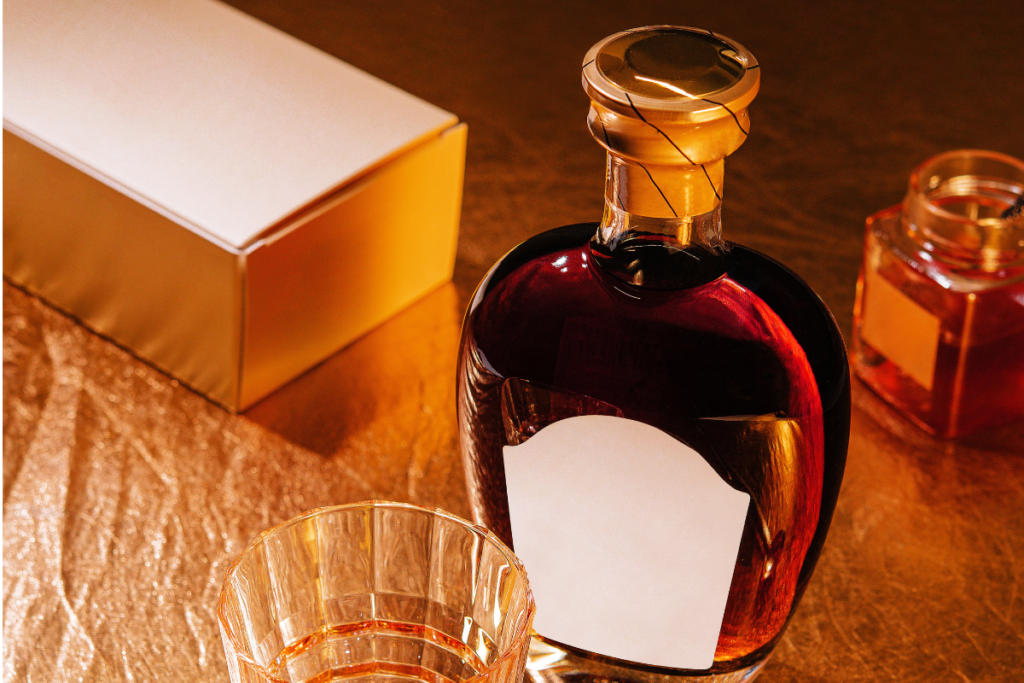
If you’re wondering how to store a vintage bottle of spirits, proper storage is essential for preserving both its quality and collector value. Unlike wine, vintage spirits stop aging once they’re bottled, so the goal is to protect the bottle, label, and seal rather than improve the flavor.
1. Store the Bottle Upright
Always keep a spirits bottle standing upright. Because of its high alcohol content, leaving it on its side for long periods can damage the cork and eventually cause leaks.
2. Keep It Away from Light
Store the bottle in a cool, dark place or keep it inside its original box. Direct sunlight can fade the color and gradually affect the spirit’s quality, even after the angel’s share aging process has already been completed in the barrel.
3. Maintain a Stable Temperature
A room temperature between 15°C and 20°C is ideal. Avoid placing the bottle near windows, kitchens, or anywhere with frequent temperature changes, as expansion and contraction can weaken the seal.
4. Control the Humidity
The storage area should have moderate humidity. Air that’s too dry can shrink the cork, while too much moisture can damage the label, which is an important factor for collectors.
5. Check the Cork Occasionally
If you’re storing a bottle for many years, gently turn it upside down for a few seconds once or twice a year. This helps keep the cork slightly moist without exposing it to alcohol for long periods.
Following these simple steps helps preserve both the bottle’s condition and its long-term value, especially if you ever plan to sell it through a rare spirits auction or to another collector.
Conclusion
Vintage spirits are more than just old bottles, they’re rare, carefully aged expressions tied to a specific production year and prized for their history, flavor complexity, and limited availability. Whether you’re collecting for passion or investment, understanding what makes these bottles special is the first step toward appreciating their lasting value.
If you’d like to experience expertly aged spirits without waiting decades, visit The Jungle Club Ubud. Explore premium aged spirits through curated pours for those who appreciate what time does to a great spirit.