
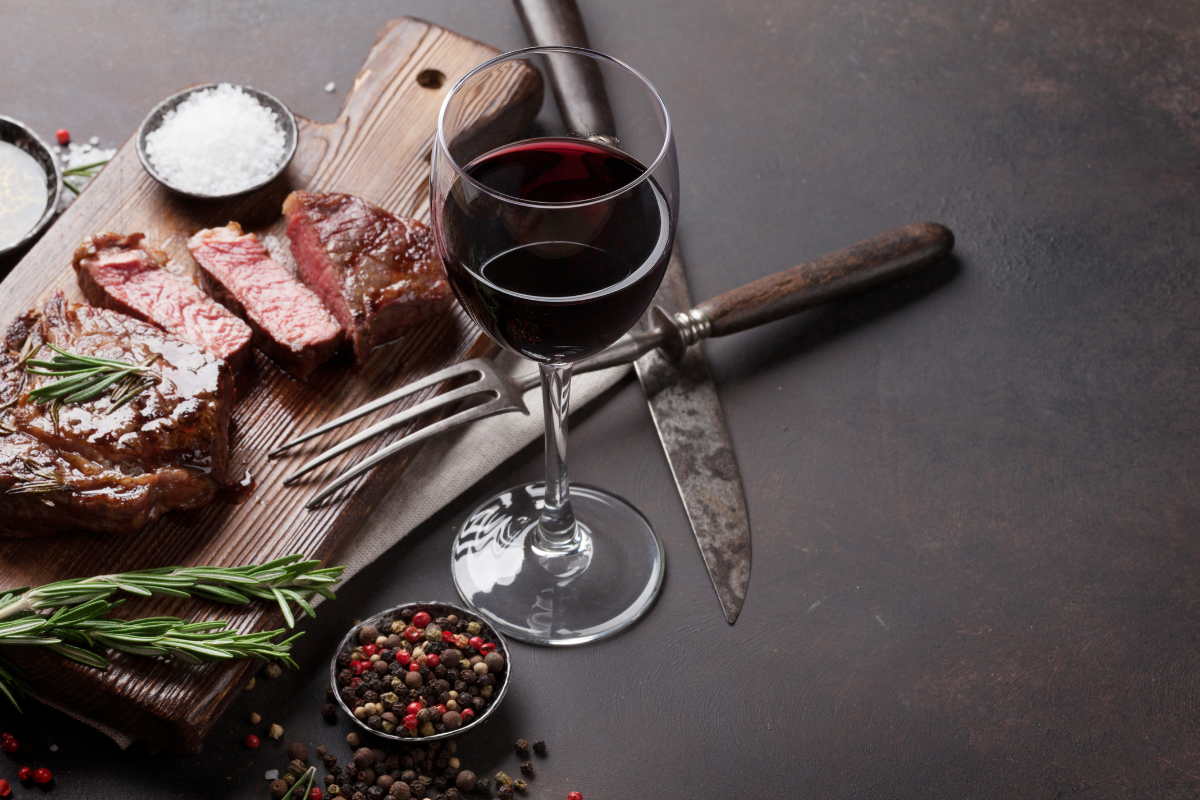
There’s a reason sommeliers spend years mastering food and wine pairing, but you don’t need professional training to understand the basics. The key is finding balance between flavors and textures, like pairing rich dishes with full-bodied red options or lighter meals with crisp white beverages.
In this guide, we’ll break down the essentials of food and wine pairing, from the science behind flavor combinations to timeless pairings that consistently work well. Here are food and wine pairings made simple, the beginner’s complete guide.
The Golden Rules of Food and Wine Pairing
Rule 1 – Match the Intensity
One of the most important principles in food and wine pairing is balancing the intensity of both the dish and the drink. Light and delicate meals, such as steamed fish or fresh salads, are best enjoyed with lighter options that won’t overpower the flavors.
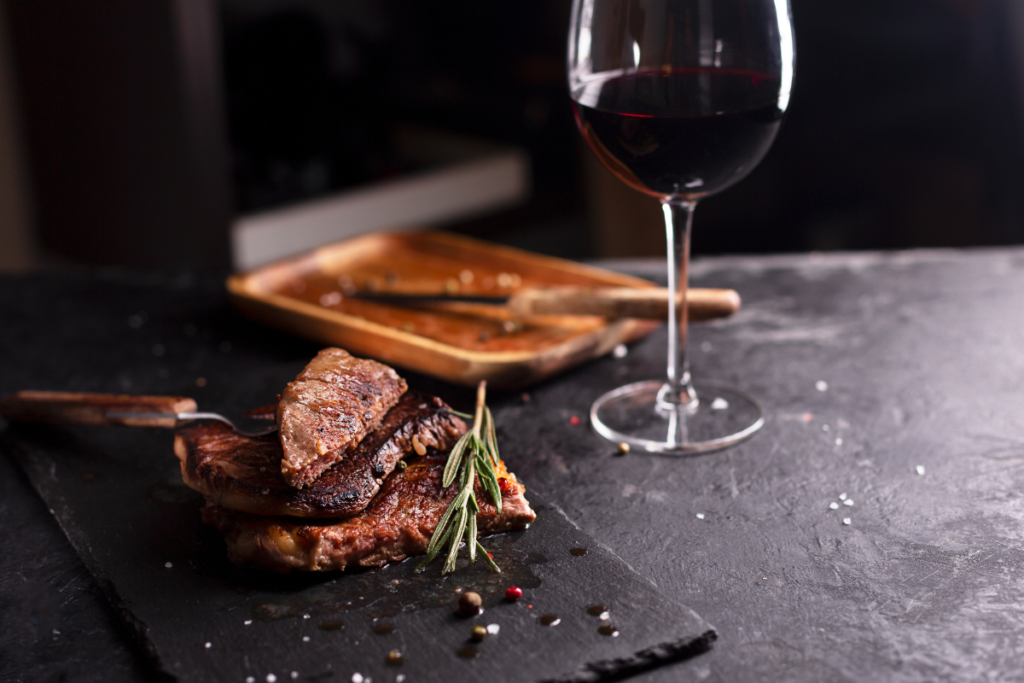
On the other hand, rich and savory dishes like steak or slow-cooked meat pair better with a bold red, especially full-bodied red wines that can complement the richness of the food. Understanding this balance is essential because it helps create a more enjoyable dining experience where neither the food nor the drinks dominates the palate.
Rule 2 – Focus on the Sauce and Seasoning
In many dishes, the sauce or seasoning plays a bigger role in the overall flavor than the main protein itself. This is why wine pairing should consider the complete flavor profile of the dish, not just the main ingredient.
For example, chicken served with a creamy mushroom sauce may pair more beautifully with an earthy Pinot Noir than with a Chardonnay, despite chicken commonly being associated with white wine. Paying attention to sauces, spices, and cooking methods can also elevate the overall wine tasting experience and create a more balanced combination.
Rule 3 – Regional Pairings Often Work Naturally
One of the simplest approaches to wine and food pairing is to pay attention to where the dish comes from. In many regions, culinary traditions and winemaking have evolved side by side for centuries, creating combinations that naturally complement each other.
For example, Italian dishes with tomato-based sauces often pair beautifully with Italian wine known for its bright acidity, while French cuisine is commonly enjoyed with selections produced from the same area. Exploring these regional combinations, including selections from a local wine, can make pairing feel more intuitive and enjoyable.
Rule 4 – Acidity Balances Rich and Fatty Foods
Acidity in the glass helps refresh the palate and balance the richness of oily or fatty dishes. This principle is one of the foundations of successful wine food pairing, especially when serving fried or creamy foods.
A classic example is the pairing of champagne with fried dishes. The crisp acidity and bubbles help cut through the richness of the food, creating a lighter and fresher finish with every bite.
Rule 5 – Pair Sweet Wines with Desserts or Spicy Dishes
One of the most important wine pairing rules is making sure the beverage is at least as sweet as the dessert being served. If the beverage is less sweet, it can taste overly acidic or flat compared to the dish.
Sweet wines also work surprisingly well with spicy foods. The natural sugar content helps soften the heat on the palate and creates a more balanced flavor experience. This is why slightly sweet wine are often recommended alongside spicy Asian dishes, curries, or meals with bold seasoning.
Classic Food and Wine Pairings That Never Fail
1. Red Meat & Cabernet Sauvignon
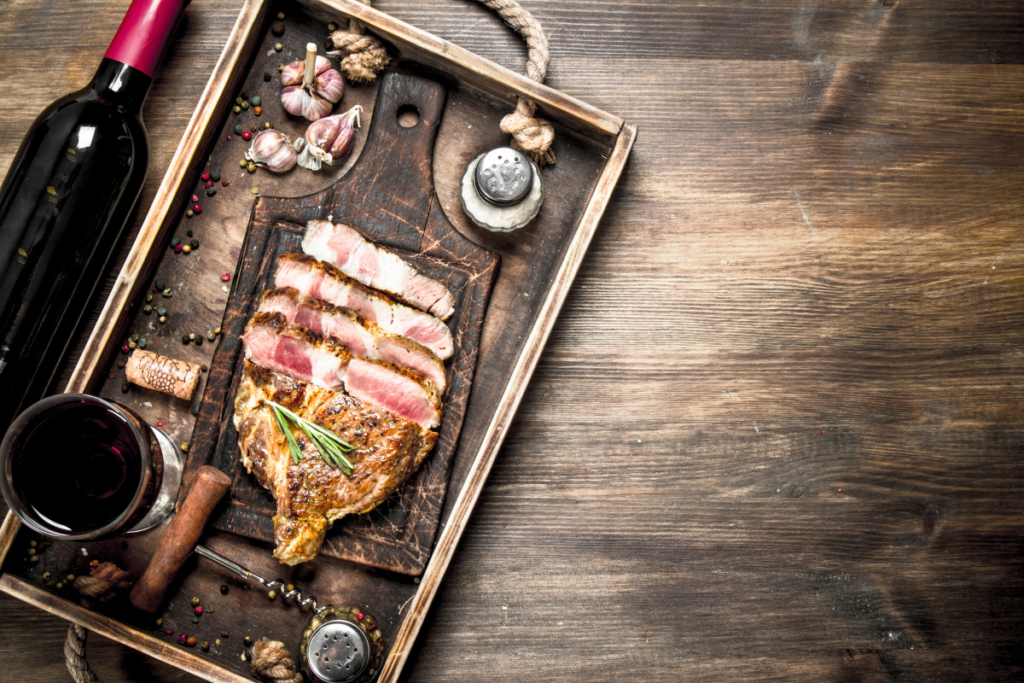
Cabernet Sauvignon is often considered the best wine with steak because its bold tannins pair naturally with the richness of red meat. The tannins help balance the fat and protein found in highly marbled cuts, creating a smoother and more refined taste experience.
As the richness of the steak softens the wine’s structure, the drink still maintains enough body and intensity to complement the savory flavors of the meat without being overpowering.
2. Fish & Seafood with Sauvignon Blanc or Chablis
When it comes to wine pairing with fish, lighter white options such as Sauvignon Blanc or Chablis are classic choices. Their bright acidity helps enhance the freshness of seafood while keeping the palate clean and refreshing.
These wines work similarly to a squeeze of citrus, lifting the natural flavors of fish and seafood without masking their delicate character. This is also why white wine has traditionally been preferred for seafood dishes, as it adds balance while allowing the freshness of the ingredients to stand out.
3. Cheese Board & Sparkling Wine or Pinot Noir
A cheese board often combines different textures and flavor profiles, which is why flexible wine choices work best. In wine and cheese pairing, sparkling options are popular because their acidity and bubbles help cleanse the palate after creamy cheeses. Meanwhile, a light Pinot Noir adds subtle berry notes that pair beautifully with salty and aged cheeses.
4. Spicy Asian Food & Off-Dry Riesling
Understanding how to pair wine with food becomes especially important when serving spicy dishes. Asian cuisine, known for its bold spices and chili heat, pairs well with off-dry Riesling thanks to its slight sweetness and refreshing acidity.
This style of wine helps soften the heat on the palate while still complementing the aromatic spices and layered flavors of the dish, making it one of the most recommended options for wine with spicy food.
5. Grilled Chicken & Chardonnay
Grilled chicken has a savory flavor with subtle smoky notes that pair naturally with Chardonnay. If the dish includes butter, cream-based sauces, or roasted elements, an oaky Chardonnay can enhance the richness while maintaining balance.
The smooth texture of the wine complements the tenderness of the chicken, creating a pairing that feels rich yet approachable.
6. Pasta with Tomato Sauce & Chianti
Tomato-based pasta dishes naturally have high acidity, which is why they pair best with wines that share a similar character. Chianti, made primarily from Sangiovese grapes, offers bright acidity and subtle herbal notes that complement classic tomato sauces beautifully.
This balance is a great example of effective wine pairing food principles, where both the dish and the drink enhance each other instead of competing for attention.
7. Chocolate Dessert & Port or Zinfandel
Chocolate desserts are rich, bold, and full of intense cocoa flavors, so they need wines with enough depth and character to match. Sweet Port beverages pair especially well with dark chocolate because of its concentrated flavor and smooth finish.
Zinfandel can also be an excellent choice thanks to its ripe berry notes and fuller body, which help balance the richness of chocolate while keeping the dessert enjoyable and well-rounded.
8. Vegetarian Dishes & Rosé or Pinot Gris
Vegetarian dishes often highlight fresh ingredients, herbs, and lighter textures, making them ideal for softer and more refreshing beverages. Rosé pairs nicely with roasted vegetables because of its fruit-forward character, while Pinot Gris works well with salads and green vegetables thanks to its clean and slightly floral profile.
These combinations show why food and wine pairing matters. The right options can elevate natural flavors and create a more balanced dining experience.
Final Thought on Food and Wine Pairing
Understanding food and wine pairing doesn’t have to feel complicated. By learning how flavors, textures, acidity, and sweetness work together, you can create combinations that make every meal feel more balanced and enjoyable.
If you want to experience elevated food and wine pairing in a more relaxed tropical setting, visit The Jungle Club and discover their flavorful Texas barbeque selections paired with curated and signature wines. From smoky grilled meats to laid-back jungle vibes, it’s the perfect place to enjoy a memorable pairing experience in Ubud.